
 020-66889888
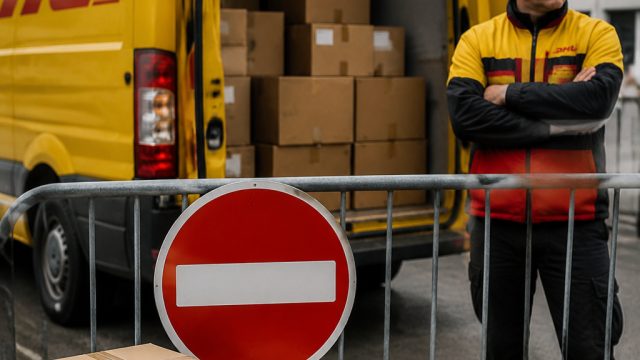
In a significant development for businesses engaged in international trade, DHL has announced the suspension of its Globalmail service for shipments to the European Union (EU), effective June 24, 2023. This decision comes in response to new customs regulations set to take effect on July 1, 2023, which have raised considerable concerns among logistics providers and shippers alike.
Understanding the Impact of New Customs Regulations
The impending changes in EU customs duties require that all applicable duties be prepaid by the sender, rather than collected upon delivery as was the practice in the past. DHL Globalmail has indicated that it lacks the necessary infrastructure to implement a Delivered Duty Paid (DDP) system, which has prompted this drastic measure to avoid potential complications at customs. The last collection day for EU-bound goods was June 23, leaving businesses scrambling to find alternative shipping methods.
Key Changes in Customs Duties
- Prepayment Requirement: Senders must pay customs duties upfront.
- Avoidance of Border Delays: DHL opted to suspend the service to prevent shipments from getting stuck.
- Exemption for Documents: Only packages containing goods are affected; documents can still be sent without issue.
What This Means for Businesses
The suspension of DHL’s Globalmail service introduces several challenges for companies relying on this logistics provider for their EU shipments. Businesses must now consider alternative carriers or adjust their shipping strategies. The urgency to comply with the new customs regulations can lead to increased operational costs and logistical headaches.
Alternatives to Consider
To navigate the current shipping landscape effectively, businesses can explore the following alternatives:
- Other Shipping Carriers: Evaluate options such as FedEx, UPS, or local postal services that may offer more robust solutions for international shipments.
- Freight Forwarders: Engage with freight forwarders who specialize in customs brokerage can help manage the new requirements efficiently.
- Temporary Shipping Adjustments: Analyze your shipping needs and consider limiting the types of goods exported to the EU until a viable shipping solution is identified.
Why This Matters Now
As the global e-commerce landscape continues to evolve, understanding and adapting to changes in shipping regulations is crucial. The recent announcement from DHL underscores the need for businesses to stay informed about international shipping trends, particularly as they pertain to customs regulations. Failure to adapt could result in lost revenue and strained customer relationships.
Stay Ahead in Logistics
To remain competitive, brands should not only keep track of changes in shipping regulations but also invest in enhanced logistics solutions that accommodate these changes. Here are some proactive steps businesses can take:
- Monitor industry news for updates on shipping regulations and practices.
- Invest in logistics technology that provides real-time updates on shipping status and customs requirements.
- Educate team members on compliance with new customs duties to streamline the shipping process.
Conclusion
The suspension of DHL's Globalmail service for EU-bound shipments serves as a wake-up call for businesses engaged in international trade. As customs regulations tighten and evolve, it is imperative for companies to reassess their logistics strategies and develop contingency plans. By exploring alternative shipping methods and enhancing compliance efforts, businesses can mitigate the impact of these changes and continue to thrive in a fast-paced e-commerce environment.
Mobile:13988889999 Office Address:No. 58, Yusha Road, Haikou City, Hainan Province Tel:020-66889888 Fax Real:020-66889777 EnterpriseEmail:rekhamonikaraja@gmail.com |
|
020-66889888  |
 Contact us
 Contact Form
 SupportPhone