
 020-66889888
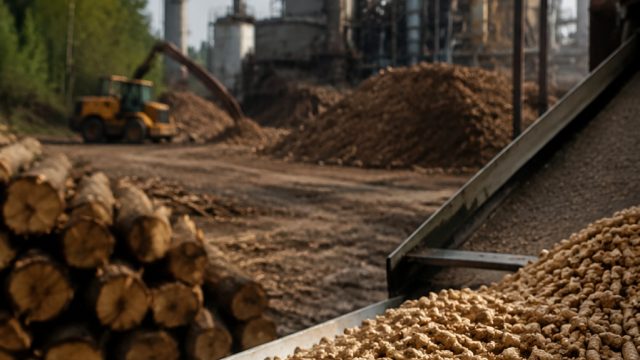
As the world seeks alternatives to fossil fuels, wood pellets have emerged as a popular renewable energy source. However, the rapid growth in this industry has raised important questions about its environmental toll. This article delves into the often-overlooked consequences of wood pellet production and why it is essential to critically assess its sustainability.
The Rise of Wood Pellet Energy
Wood pellets have gained traction as a cleaner energy source that can help reduce carbon emissions. Their growing popularity stems from the shift towards renewable resources, particularly in energy-intensive industries such as power generation. Countries around the globe are adopting wood pellets as an eco-friendly option to meet their energy needs, which has led to a surge in production facilities.
Advantages of Wood Pellets
- Renewable Resource: Sourced from wood waste and sustainable forests.
- Lower Carbon Footprint: When burned, they emit less carbon dioxide compared to fossil fuels.
- Convenient: Readily available and can be used in existing energy infrastructure.
Understanding the Hidden Costs
Despite the benefits, the environmental impacts of wood pellet fuel are often understated. The manufacturing process involves not only harvesting trees but also transporting raw materials, all of which contribute to greenhouse gas emissions. Furthermore, the reliance on wood pellets can lead to deforestation and habitat destruction if not managed properly.
Deforestation Concerns
One of the primary criticisms of wood pellet production is its potential link to deforestation. Increased demand for wood pellets can incentivize unsustainable logging practices, threatening biodiversity and local ecosystems. This creates a paradox where the push for renewable energy inadvertently harms the very forests that are supposed to benefit from sustainable practices.
Impact on Local Communities
Communities near pellet production facilities can also face adverse effects. The noise and pollution generated by manufacturing operations can disrupt local life, affecting both health and property values. Moreover, if local forests are depleted, the livelihoods of communities relying on these resources may be jeopardized.
The Global Perspective: Is There a Better Way?
The global energy landscape is rapidly evolving, with countries debating the most effective pathways to sustainability. In light of the hidden costs associated with wood pellets, there is a growing call for transparency and the exploration of alternative energy sources.
Exploring Alternatives
To mitigate the environmental impact of energy production, stakeholders are now considering a diverse array of options:
- Solar Energy: Harnessing the sun's power is increasingly becoming a viable and sustainable energy solution.
- Wind Energy: Offshore and onshore wind farms are proving to be effective in reducing dependency on fossil fuels.
- Geothermal Energy: Tapping into the Earth's internal heat can provide reliable and clean energy.
Looking Ahead: The Path to Sustainable Energy
As we navigate the complexities of renewable energy, it is crucial to maintain a holistic view of the environmental impact. While wood pellets may appear to be a step in the right direction, their unseen costs must be addressed. Engaging in dialogues about sustainable practices and considering alternative energy sources is essential for reducing our carbon footprint.
Final Thoughts
As advocates for a greener planet, we must remain vigilant in our pursuit of truly sustainable energy solutions. Understanding the ramifications of our energy choices—including the hidden costs of wood pellets—will guide us in making informed decisions that benefit both the environment and society. The conversation must continue, and the call for better energy practices has never been more urgent.
Industry Partner Network
Mobile:13988889999 Office Address:No. 58, Yusha Road, Haikou City, Hainan Province Tel:020-66889888 Fax Real:020-66889777 EnterpriseEmail:rekhamonikaraja@gmail.com |
|
020-66889888  |
 Contact us
 Contact Form
 SupportPhone