
 020-66889888
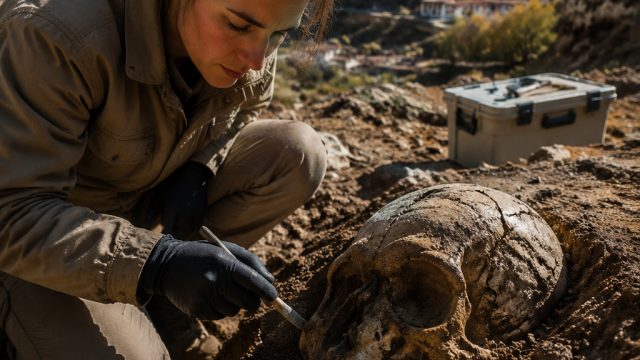
Understanding Human Evolution: Insights from Recent Fossil Analysis
Recent studies have shed new light on the evolution of human body size, challenging long-held beliefs about gradual changes over time. A detailed analysis of 386 hominin fossils has revealed that significant shifts in body mass occurred more abruptly than previously thought, providing crucial insights into our evolutionary past. This research not only enhances our understanding of hominin evolution but also sparks curiosity about the factors that may have influenced these changes.
The Surprising Findings of the New Analysis
The study, conducted by a team of anthropologists, focused on the skeletal remains of various hominin species, allowing researchers to track changes in body size over millions of years. What they found was startling: the most significant changes in body mass were concentrated in specific periods, rather than occurring gradually across the entire timeline of human evolution. This has raised questions about the adaptive mechanisms that may have prompted such rapid transformations.
Key Highlights of the Research
- Rapid Body Size Shifts: Significant increases in body mass occurred late in our evolutionary history, suggesting a possible environmental or social trigger.
- Species-Specific Changes: Not all hominin species experienced the same growth patterns, indicating that evolutionary pressures varied among different groups.
- Adaptation to Climate: The findings suggest that climatic changes could have played a critical role in driving these rapid shifts, as species adapted to new survival challenges.
Implications for Our Understanding of Hominin Evolution
These findings challenge the conventional narrative of gradual evolution and lead us to reconsider how we view hominin development. Rather than a steady progression, the evolution of body size may have been influenced by a series of rapid environmental changes or significant lifestyle shifts.
The Role of Environmental Factors
Climate change, habitat loss, and the availability of resources are all factors that could have contributed to the sudden changes in body size. For instance, as hominins faced new challenges, such as changing food sources or competition with other species, those who could adapt quickly may have had a survival advantage.
Social Structures and Evolution
Moreover, the social dynamics within hominin groups could have impacted body size. The emergence of complex social structures may have led to cooperative behaviors that supported larger body sizes, as individuals banded together for hunting or protection, thus influencing natural selection processes.
Understanding the Consequences of Rapid Evolution
The implications of these sudden evolutionary changes extend beyond mere size; they touch upon our understanding of human resilience, adaptability, and survival. For example, the research provides insights into how early humans managed to thrive in diverse environments, adapting both physically and behaviorally.
Future Directions in Evolutionary Research
As researchers continue to delve into the complexities of human evolution, this study underscores the importance of examining fossil records with fresh perspectives. Future studies may explore:
- The genetic factors that contribute to rapid changes in body size.
- Comparative studies between hominin fossils and modern humans to identify adaptive traits.
- Investigations into the relationship between body size and social structures in early communities.
Conclusion: A New Perspective on Hominin Evolution
In conclusion, the recent analysis of hominin fossils offers a compelling narrative about the evolution of body size, suggesting that significant changes occurred more rapidly than previously believed. This study not only reshapes our understanding of human evolution but also prompts further exploration into the myriad factors that have influenced our species over millennia. As we continue to gather more data and refine our theories, we inch closer to unraveling the complex story of our past, one fossil at a time.
Industry Partner Network
Mobile:13988889999 Office Address:No. 58, Yusha Road, Haikou City, Hainan Province Tel:020-66889888 Fax Real:020-66889777 EnterpriseEmail:rekhamonikaraja@gmail.com |
|
020-66889888  |
 Contact us
 Contact Form
 SupportPhone