
 020-66889888
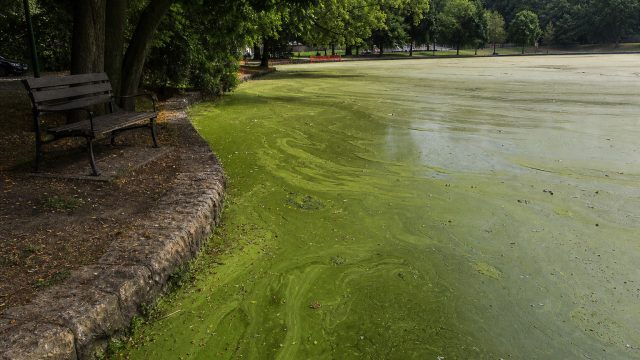
In recent times, the rise of algae blooms in various public areas has emerged as a pressing environmental problem. These blooms are not just unsightly; they represent significant challenges to health, safety, and local ecosystems. As communities become more aware of these phenomena, understanding their implications has never been more crucial.
The Emergence of Algae Blooms
Algae blooms, often spurred by nutrient runoff and climate change, have been seen in lakes, rivers, and other bodies of water. Increased temperatures and pollution provide the perfect breeding ground for these rapid growths, leading to numerous adverse effects. For example, blooms can produce toxins harmful to humans and wildlife, raising alarms among local health officials.
What Are Algae Blooms?
Algae blooms are characterized by a rapid increase in algae populations, leading to dense mats on the water's surface. They can be caused by various factors, including:
- Excessive nutrient load (nitrogen and phosphorus)
- Warm temperatures
- Stagnant water conditions
These blooms can lead to decreased oxygen levels in the water, impacting fish and other aquatic life. As these conditions deteriorate, the once vibrant ecosystems struggle to survive.
The Health Risks of Algae Blooms
Public health is at significant risk when algae blooms proliferate. The toxins produced can lead to a range of health issues, including skin rashes, respiratory problems, and gastrointestinal distress. Local authorities often issue warnings against swimming or consuming fish from affected waters, which can impact recreational activities and local economies.
Monitoring and Response
Effective monitoring and response strategies are critical in managing the risks associated with algae blooms. Communities are increasingly investing in:
- Water quality testing to detect harmful algal blooms early
- Public awareness campaigns about the risks of algae
- Restoration projects aimed at reducing nutrient runoff
Such initiatives can help mitigate the consequences and safeguard public health while protecting local ecosystems.
Community Impact and Economic Considerations
Beyond health risks, the presence of algae blooms can have severe economic ramifications. Public spaces that are heavily affected may see a decline in tourism and recreational use, negatively impacting local businesses. For towns dependent on fishing or tourism, the stakes are incredibly high.
Long-Term Solutions
Addressing the algae bloom crisis requires a multi-faceted approach. Key strategies include:
- Implementing better agricultural practices to reduce runoff.
- Investing in infrastructure to manage stormwater more effectively.
- Promoting sustainable land use to minimize nutrient input into lakes and rivers.
Communities that prioritize these actions can not only protect their local environments but also enhance public health and support economic stability.
Conclusion
The rise of algae blooms serves as a stark reminder of the delicate balance within our ecosystems and the pressing need for sustainable practices. As the world grapples with climate change and environmental degradation, understanding and addressing the challenges posed by algae blooms is of utmost importance. By staying informed and proactive, communities can better manage these issues, ensuring safe and thriving public spaces for generations to come.
Mobile:13988889999 Office Address:No. 58, Yusha Road, Haikou City, Hainan Province Tel:020-66889888 Fax Real:020-66889777 EnterpriseEmail:rekhamonikaraja@gmail.com |
|
020-66889888  |
 Contact us
 Contact Form
 SupportPhone