
 020-66889888
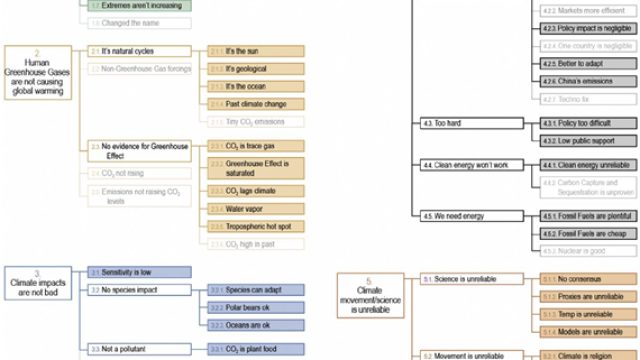
As discussions around climate change intensify globally, a new study sheds light on the reasoning behind contrarian claims that challenge the scientific consensus. Conducted by Ruby Flack under the guidance of John Cook at Monash University, this research aims to dissect the flawed reasoning prevalent among dissenting voices in the climate debate. The relevance of this study is heightened given the increasing prevalence of misinformation regarding climate issues.
Unpacking the Research: What Was Analyzed?
The paper titled "Identifying Flawed Reasoning in Contrarian Claims about Climate Change" recently published in Environmental Communication, examines various claims that question the validity of climate science. By utilizing the CARDS taxonomy, the study categorically analyzes these arguments, identifying logical fallacies that often underpin them.
Why This Research Matters Now
In a time where public discourse on climate change is critical, understanding the flaws in these contrarian claims is more important than ever. Misinformation can lead to delays in policy action, jeopardizing efforts to address environmental challenges. This study not only seeks to clarify misconceptions but also empowers individuals to critically evaluate the information presented to them.
Key Findings and Implications
The authors of the study found that many contrarian claims are built on a foundation of flawed logic. Below are some prominent logical fallacies identified:
- Cherry-Picking Data: Selecting only favorable evidence while ignoring contrary data.
- False Equivalence: Comparing unrelated situations to come to misleading conclusions.
- Ad Hominem Attacks: Focusing on discrediting the individual rather than addressing the argument itself.
- Slippery Slope Arguments: Suggesting that a minor action will lead to drastic consequences without substantial evidence.
These fallacies pose serious implications for public understanding and policy-making. As individuals and organizations grapple with the realities of climate change, recognizing these flawed arguments can lead to more informed discussions and effective solutions.
Addressing Misinformation: The Role of Education
One of the key recommendations from the study emphasizes the importance of education in combating misinformation. By enhancing critical thinking skills and promoting scientific literacy, individuals can better navigate the complexities of climate discourse.
Practical Steps for Educators and Communicators
To help bridge the gap in understanding, educators, communicators, and advocates can adopt several strategies:
- Integrate Critical Thinking: Encourage analysis of various arguments and the reasoning behind them.
- Provide Accessible Resources: Create materials that break down complex scientific concepts in layman's terms.
- Promote Open Dialogue: Foster environments where individuals can question and discuss without fear of retribution.
Conclusion: Moving Forward with Insight
The recent study by Flack and her team serves as a pivotal resource in the ongoing struggle against climate misinformation. By identifying and understanding the logical fallacies in contrarian claims, we are better equipped to engage in meaningful discussions about climate change. The implications of this research extend beyond academia; they resonate in public policy and everyday conversations. Engaging with these insights offers a clearer path toward addressing one of the most pressing challenges of our time.
Industry Partner Network
Mobile:13988889999 Office Address:No. 58, Yusha Road, Haikou City, Hainan Province Tel:020-66889888 Fax Real:020-66889777 EnterpriseEmail:rekhamonikaraja@gmail.com |
|
020-66889888  |
 Contact us
 Contact Form
 SupportPhone