
 020-66889888
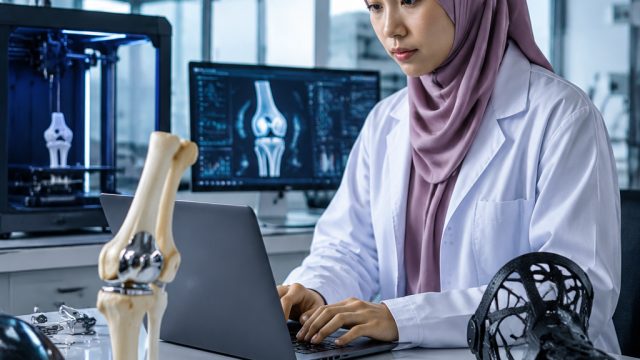
The field of orthopedics is undergoing a significant transformation, moving away from the traditional confines of the operating room (OR) to explore innovative solutions that enhance patient care and surgical outcomes. This shift is not only revolutionizing how surgeries are performed but is also leading to a new competitive landscape among healthcare providers.
The Shift in Focus to Patient-Centric Technology
Traditionally, discussions surrounding advances in orthopedics primarily revolved around enhancements made within the OR—such as robotic-assisted surgeries and state-of-the-art navigation systems. However, today, the focus is expanding to include innovations that improve pre-operative and post-operative care. These advancements are crucial in optimizing patient experiences and outcomes.
Telemedicine: A Game Changer
- Improved Access to Specialists
- Streamlined Patient Monitoring
- Enhanced Follow-up Care
Telemedicine has emerged as a powerful tool that allows healthcare professionals to consult with patients remotely. This technology has become essential for orthopedic practices, providing patients with easy access to specialists without the need for physical visits. As a result, follow-up care becomes more manageable and less burdensome for patients, improving compliance and overall satisfaction.
Artificial Intelligence: The Future of Decision-Making
Artificial intelligence is increasingly being integrated into orthopedic practices, influencing how decisions are made in both surgical and non-surgical settings. AI platforms can analyze vast quantities of data, enabling surgeons to identify the best treatment options tailored to each patient's unique needs.
Predictive Analytics in Treatment Planning
Using AI-driven predictive analytics, orthopedic surgeons can forecast potential post-operative complications and tailor pre-operative protocols accordingly. This proactive approach not only minimizes risks but also enhances the likelihood of successful outcomes.
Enhanced Imaging Techniques
Innovations in imaging technology, supported by AI, provide orthopedic surgeons with improved visualization of musculoskeletal issues. These technologies can help in accurate diagnoses and effective treatment planning while reducing the time spent in the OR.
The Role of Mobile Health Applications
Mobile health applications are becoming vital tools in orthopedic care, allowing patients to track their symptoms, rehabilitation progress, and medication adherence. This integration of technology empowers patients while also providing healthcare teams with valuable data to inform their care strategies.
Features of Modern Health Apps
- Symptom Tracking
- Rehabilitation Reminders
- Direct Communication with Healthcare Providers
With these features, mobile health applications bridge the gap between clinician and patient, fostering a collaborative approach to orthopedic care. Patients are more engaged and proactive about their health, leading to better overall outcomes.
The Competitive Edge in Orthopedic Practices
The rise of healthcare technology is not just changing patient care; it is also fostering a competitive environment among orthopedic practices. Providers who adopt and integrate these innovations quickly distinguish themselves from competitors, attracting more patients seeking modern, efficient care.
Investing in Technology as a Strategic Advantage
Orthopedic practices that prioritize investment in non-OR innovations are likely to see improvements in their operational efficiency and patient satisfaction. By leveraging technology, these practices can streamline workflows, reduce costs, and ultimately deliver superior care.
Building Trust Through Transparency
As healthcare consumers increasingly expect transparency, practices that utilize data-driven technologies to enhance patient engagement will likely build stronger trust. This trust is essential in a competitive marketplace, where patient loyalty can lead to long-term success.
Conclusion: The Future of Orthopedics is Now
As the orthopedic landscape continues to evolve, the focus on innovations outside the operating room is reshaping how care is delivered. From telemedicine to AI and mobile applications, these technologies are not merely trends but critical components of effective orthopedic practice. As we advance, the integration of these tools will become essential not just for improving patient outcomes but also for maintaining a competitive edge in the healthcare market. Now is the time for orthopedic practices to embrace these changes and lead the way in patient-centered care.
Industry Partner Network
Mobile:13988889999 Office Address:No. 58, Yusha Road, Haikou City, Hainan Province Tel:020-66889888 Fax Real:020-66889777 EnterpriseEmail:rekhamonikaraja@gmail.com |
|
020-66889888  |
 Contact us
 Contact Form
 SupportPhone