
 020-66889888
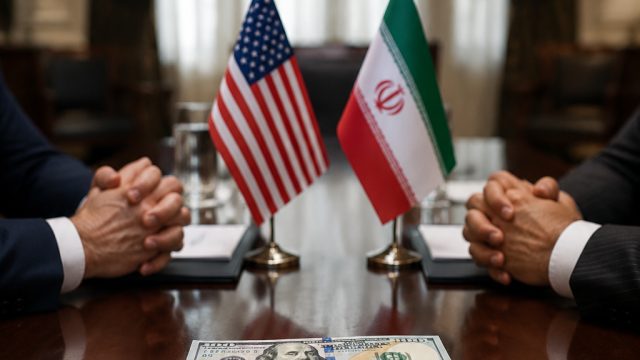
As global economic landscapes continue to shift, recent discussions between the United States and Iran have introduced significant changes regarding oil transactions. Treasury Secretary Scott Bessent has revealed that these negotiations are steering towards Iran adopting the US dollar for its oil sales invoicing. This development marks a pivotal moment in international trade and financial relationships, particularly as it involves one of America's longstanding opponents.
Understanding Dollar Invoicing in Oil Trade
The concept of dollar invoicing refers to transactions conducted in US dollars rather than local currencies. This practice is prevalent in the global oil market, where the dollar has traditionally been the dominant currency for pricing and trade. The implications of Iran potentially joining this system are far-reaching, impacting not only Iran's economy but also the dynamics of oil markets worldwide.
The Current State of US-Iran Relations
Historically, the relationship between the US and Iran has been fraught with tension. Following various sanctions and political conflicts, Iran has long avoided engaging in dollar transactions, opting instead for barter or other currencies. However, the recent talks suggest a thawing of this stance, driven by pragmatic concerns for economic stability amid global pressures.
Why This Shift Matters Now
As the world grapples with economic uncertainties, the timing of these negotiations could not be more crucial. Here are several reasons why the shift to dollar invoicing is significant:
- Stabilizing Iran's Economy: By adopting dollar invoicing, Iran might gain access to a larger market for its oil, potentially stabilizing its struggling economy.
- Global Oil Market Impact: An increase in dollar-denominated oil sales from Iran could lead to fluctuations in oil prices and influence global supply chains.
- Political Implications: This shift could alter geopolitical alliances, affecting how other nations view both the US and Iran in the context of global trade.
The Role of International Trade Agreements
Negotiations surrounding dollar invoicing could also pave the way for broader international trade agreements. The possibility of Iran returning to the global oil market could inspire other nations to reevaluate their own currency policies and relationships with the dollar:
Potential Benefits for Iran
Embracing the dollar system could lead to:
- Increased Oil Revenue: Greater access to global markets could significantly boost Iran's oil revenues.
- Enhanced Economic Growth: Dollar transactions might lead to foreign investments and economic growth, improving living standards.
- Improved Relations: This move could foster better relations between Iran and other nations, mitigating long-standing tensions.
Challenges Ahead
Despite the potential benefits, several challenges remain:
- Compliance with Sanctions: Iran must navigate existing sanctions and find a path to compliance while re-entering the dollar system.
- Market Competition: Competition from other oil-producing nations remains a significant hurdle.
- Inequality in Negotiations: The power dynamics in negotiations could still favor the US, affecting the terms and outcomes for Iran.
Conclusion: A New Era of Economic Relations?
The potential for Iran to shift to dollar invoicing illustrates a significant turning point in US-Iran relations. As both nations explore this possibility, the broader implications for the global economy and the oil market are profound. Observers and analysts will be closely monitoring these developments, as they could lead to a redefined relationship between the two nations and a ripple effect on international trade practices. For stakeholders in the oil market and beyond, understanding this shift is essential for navigating the complexities of global commerce in the coming year.
Mobile:13988889999 Office Address:No. 58, Yusha Road, Haikou City, Hainan Province Tel:020-66889888 Fax Real:020-66889777 EnterpriseEmail:rekhamonikaraja@gmail.com |
|
020-66889888  |
 Contact us
 Contact Form
 SupportPhone