
 020-66889888
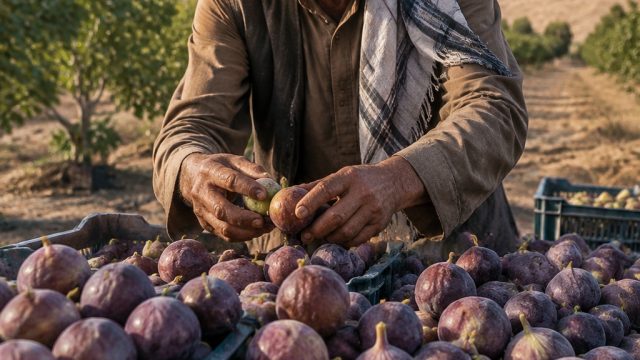
Herat Farmers Face Challenges in Fig Export Amid Harvest Season
The picturesque province of Herat is famous for its high-quality figs, making it a notable player in Afghanistan's agricultural landscape. However, as farmers enter the crucial harvesting period, they are grappling with significant challenges that threaten their ability to export these prized products.
The Importance of Cold Storage
Without appropriate cold storage facilities, many farmers are forced to compromise on the quality of their figs. The figs produced in Herat are not only sought after locally but also have potential in international markets. However, the lack of refrigeration and proper packaging has left many farmers unable to capitalize on their harvest. This situation is urgent; as the harvest season progresses, the potential for loss increases.
Why Cold Storage Matters
- Preservation of Quality: Cold storage ensures that figs remain fresh and retain their flavor, which is crucial for marketability.
- Extended Shelf Life: Proper storage can significantly extend the shelf life of figs, enabling farmers to sell their products over a longer period.
- Access to Global Markets: Quality assurance through cold storage can help farmers meet international standards, opening doors to lucrative export opportunities.
Seeking Support for Export
Farmers in Herat are calling for government intervention and support from agricultural organizations to improve their export capabilities. They highlight the pressing need for investments in storage infrastructure and training on modern packaging techniques that could help preserve their product quality. The current lack of support not only harms the farmers’ income but also limits the economic potential of the region.
Potential Economic Impact
Enhancing export methods could yield significant economic benefits for the region:
- Increased Revenue: Better access to international markets can lead to higher profits for farmers.
- Job Creation: Expanding the fig export industry could create jobs in transportation, storage, and processing sectors.
- Community Development: A thriving agricultural sector contributes to overall community growth and sustainability.
A Call to Action for Stakeholders
It is imperative for stakeholders, including local governments, agricultural organizations, and potential investors, to collaborate on solutions that address these storage and export challenges. By investing in cold storage infrastructure and supporting farmers with the necessary resources, the region can unlock its full potential in the fig market.
Strategies for Improvement
To empower Herat farmers and ensure a successful harvest, stakeholders should consider implementing the following strategies:
- Government Grants: Provide financial assistance for cold storage facilities.
- Training Programs: Organize workshops to educate farmers on modern farming and packaging techniques.
- Partnerships with Exporters: Facilitate connections between farmers and export companies to streamline the distribution process.
Conclusion: A Bright Future for Herat’s Fig Farmers
With the right support and infrastructure in place, Herat's fig farmers have the potential to significantly enhance their harvest, ensuring their products not only reach local markets but also gain a foothold internationally. Addressing the current challenges is not just about preserving a crop; it's about fostering economic resilience and growth for the entire region. As the harvest season unfolds, the focus must remain on empowering farmers and investing in the future of Afghanistan's agricultural industry.
Mobile:13988889999 Office Address:No. 58, Yusha Road, Haikou City, Hainan Province Tel:020-66889888 Fax Real:020-66889777 EnterpriseEmail:rekhamonikaraja@gmail.com |
|
020-66889888  |
 Contact us
 Contact Form
 SupportPhone