
 020-66889888
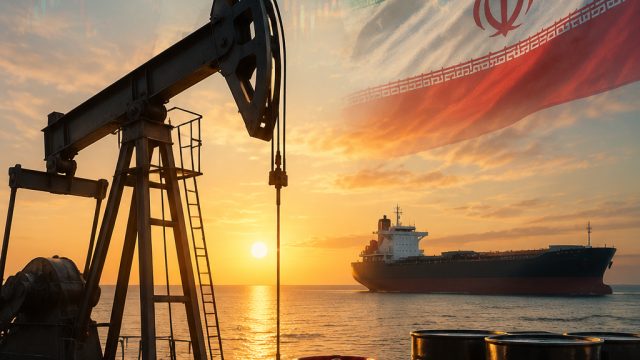
US Easing of Iran Oil Sanctions: What It Means for the Global Market
The recent announcement from the United States regarding the easing of sanctions against Iran's oil sector has sent ripples through the global energy market. For years, stringent sanctions have curtailed Iran's capacity to engage with international oil trade, significantly impacting its economy. The latest developments raise crucial questions about the future of oil prices, geopolitical dynamics, and energy security worldwide.
Understanding the Sanctions Relief
In a landmark move, the US has granted waivers that will allow Iran to export oil again, potentially unlocking billions in revenue for the country. This easing is part of a broader strategy aimed at moderating tensions and fostering dialogue regarding Iran's nuclear program. However, the real impact of these waivers on the global oil market remains to be seen.
The Implications for Global Oil Supply
With Iran poised to increase its oil exports, several key factors will dictate how this affects the global supply:
- Increased Production: Iran could ramp up production to regain its market share, especially targeting Asian markets that are among the largest consumers of Iranian oil.
- Market Prices: An influx of Iranian oil could lead to a decrease in prices globally, benefiting consumers but causing concern among other oil-producing nations.
- Geopolitical Reactions: Other oil-rich nations, especially in the Middle East, might react to Iran's re-emergence in the market, leading to potential shifts in alliances and trade agreements.
Impact on Tehran's Economy
The reintroduction of Iranian oil into the global market could have significant ramifications for Tehran's economy, which has suffered under years of financial constraints. Access to international markets could:
- Boost Revenue: Increased oil exports could provide much-needed revenue for Iran, allowing for greater investment in public services and infrastructure.
- Strengthen Currency: A recovery in oil sales might stabilize the Iranian rial, which has seen severe depreciation in recent years.
- Enhance Regional Influence: With more financial resources, Iran could enhance its influence in the region, impacting local and international politics.
Challenges Ahead for Iran
Despite the potential benefits, Iran faces several hurdles in fully capitalizing on these waivers:
- International Relations: Ongoing tensions with Western powers and regional adversaries could deter some countries from resuming trade with Iran.
- Investment Climate: The risk associated with investing in Iran's oil sector may dissuade foreign companies from engaging, even if sanctions are eased.
- Internal Political Dynamics: Domestic opposition to the government’s approach to negotiations could complicate matters further, leading to instability.
Looking Ahead: The Global Energy Landscape
The fallout from the US's decision to ease sanctions on Iran will undoubtedly reshape the global energy landscape. As the situation unfolds, here are a few trends to watch:
- Oil Price Volatility: Expect fluctuations in oil prices as markets react to Iran's potential return, with implications for both producers and consumers worldwide.
- Shifts in Trade Patterns: Countries that once relied on Iranian oil may reconsider their energy strategies, seeking stability in other sources.
- Increased Scrutiny: The international community will likely monitor Iran closely to ensure compliance with any agreements made regarding its nuclear program.
Conclusion: A Pivotal Moment for Global Energy
The easing of sanctions on Iran is a pivotal moment not just for Tehran, but for the entire global oil market. As Iran seeks to reintegrate into the world economy, stakeholders—from governments to investors—must tread carefully, balancing opportunities with the associated risks. The unfolding events could set a new course for energy dynamics in the region, making it a critical topic for those invested in the future of oil and international relations.
Industry Partner Network
Mobile:13988889999 Office Address:No. 58, Yusha Road, Haikou City, Hainan Province Tel:020-66889888 Fax Real:020-66889777 EnterpriseEmail:rekhamonikaraja@gmail.com |
|
020-66889888  |
 Contact us
 Contact Form
 SupportPhone