
 020-66889888
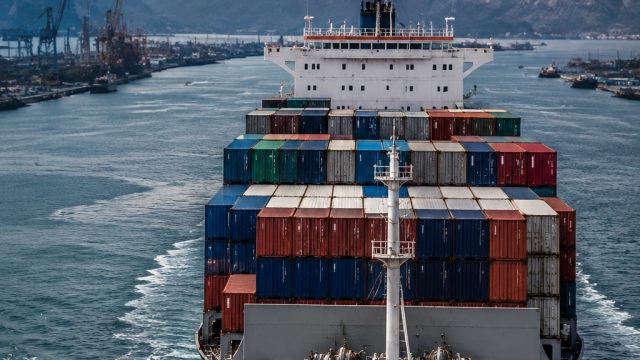
As tensions between the United States and Iran escalate, significant implications are unfolding for global shipping, especially in the strategically crucial Strait of Hormuz. This vital maritime corridor is essential for the transport of oil and goods, making the current situation a focal point in international trade discussions. With recent developments concerning stranded vessels and the potential for military engagement, businesses and shipping companies must remain vigilant.
The Current Situation in the Strait of Hormuz
The Strait of Hormuz serves as a narrow passage connecting the Persian Gulf to the Arabian Sea, through which an estimated 20% of the world's oil trade flows. Recent geopolitical events, heightened by military posturing from both nations, are raising alarms about the safety of commercial operations in this key region.
Stranded Ships Awaiting Evacuation
In light of the current tensions, the United Nations has announced plans to evacuate sailors stranded in the Strait. This decision comes as a direct result of escalating hostilities, prompting maritime organizations to prioritize the safety of crews stuck in potentially dangerous waters. The evacuation operation is set to commence soon, alleviating some of the immediate concerns for shipping companies and their crews.
Implications for Global Trade
The ramifications of the U.S.-Iran conflict extend far beyond the immediate danger posed to maritime personnel. Disruptions in shipping routes can lead to significant delays and increased costs for businesses reliant on timely delivery of goods. As companies navigate these uncertain waters, understanding the potential impact on supply chains is essential.
Potential Consequences for Oil Prices
- Increased oil prices due to supply concerns
- Potential sanctions affecting oil exports from Iran
- Heightened security costs for shipping companies
The potential for increased oil prices is a pressing concern for industries across the globe. As tensions rise, the risk of disrupted oil supplies could lead to fluctuations that impact everything from transportation costs to consumer prices.
Maritime Security Challenges
Shipping companies are being forced to reassess their security protocols as the threat level increases. The risk of naval confrontations or the targeting of commercial vessels raises questions about the feasibility and safety of current shipping routes.
Strategies for Maritime Businesses
To mitigate risks, companies are advised to:
- Enhance screening and monitoring of routes
- Implement robust communication protocols for crews
- Consider alternative shipping routes when necessary
These strategies not only help ensure the safety of personnel but also protect the company’s bottom line by minimizing potential delays and losses.
Conclusion: Staying Informed is Key
The ongoing U.S.-Iran dispute underscores the importance of staying informed about geopolitical developments that affect global shipping. As the situation evolves, businesses must adapt to ensure they are prepared for any disruptions that may arise. By closely monitoring changes and implementing strategic measures, companies can better navigate this turbulent environment. Continuous engagement with news updates and expert insights will be crucial for making informed decisions in a time of uncertainty.
Industry Partner Network
Mobile:13988889999 Office Address:No. 58, Yusha Road, Haikou City, Hainan Province Tel:020-66889888 Fax Real:020-66889777 EnterpriseEmail:rekhamonikaraja@gmail.com |
|
020-66889888  |
 Contact us
 Contact Form
 SupportPhone