
 020-66889888
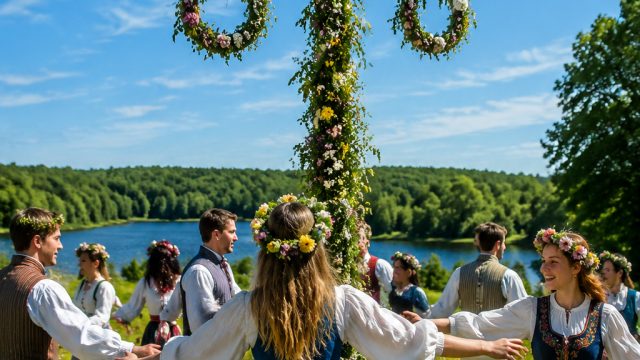
The arrival of summer marks a significant time for various cultures around the world, with Midsummer celebrations standing out as a particularly vibrant and historical event. This festival, often associated with the summer solstice, highlights the importance of light and warmth in many traditions. As we approach this year’s Midsummer, it’s essential to delve into its rich history and understand its significance in today’s society.
The Origins of Midsummer Celebrations
Midsummer’s roots can be traced back to ancient civilizations, where it was celebrated as a time of abundance and fertility. The Feast Day of St. John the Baptist, celebrated on June 24th, was formally recognized by the Council of Adge in AD 506. This day has been a focal point of Midsummer festivities, symbolizing the intersection of pagan traditions and Christian beliefs.
Historical Context
- Pre-Christian Roots: Many Midsummer customs stem from ancient rituals celebrating the sun and harvest.
- Christian Adoption: The incorporation of St. John the Baptist into the festivities marked a significant blending of traditions.
- Festive Practices: Bonfires, feasting, and communal gatherings became central to these celebrations.
Modern Midsummer Celebrations
In contemporary times, Midsummer has evolved but still retains its core elements. Communities across the globe celebrate with various events, from parades to bonfire gatherings. The essence of these celebrations lies in bringing people together to honor nature and each other.
How People Celebrate Today
- Festivals: Many towns hold Midsummer festivals featuring music, dance, and local cuisine.
- Bonfires: Lighting bonfires is a common tradition, symbolizing purification and protection.
- Community Gatherings: Families and friends come together to celebrate the abundance of the season.
The Relevance of Midsummer in 2023
As we navigate through modern society, the importance of community and connection can’t be overstated. Midsummer serves as a reminder of our ties to nature and to one another. In a world increasingly focused on digital interactions, the festival stands as a beacon of togetherness and shared experiences.
Why This Matters Now
- Promoting Mental Wellbeing: Engaging with nature and community promotes happiness and reduces stress.
- Embracing Cultural Heritage: Celebrating traditions fosters a sense of identity and belonging.
- Encouraging Sustainable Practices: Midsummer can inspire discussions on environmental responsibility.
Conclusion
Midsummer is more than just a celebration; it’s a reflection of our past and an invitation to create meaningful connections in the present. As we prepare for this year’s festivities, let us honor the history of Midsummer while embracing its significance in our modern lives. Whether through participating in community events or simply taking a moment to appreciate nature’s beauty, we can all find a way to celebrate this vibrant tradition.
Industry Partner Network
Mobile:13988889999 Office Address:No. 58, Yusha Road, Haikou City, Hainan Province Tel:020-66889888 Fax Real:020-66889777 EnterpriseEmail:rekhamonikaraja@gmail.com |
|
020-66889888  |
 Contact us
 Contact Form
 SupportPhone